Index
Aerospace Heritage
Protecting the tangible and intangible evidence of human space exploration – from the first flight to the silence of the lunar surface. We document, advocate for, and safeguard the sites, artefacts, and stories that define humanity’s journey beyond the surface of the Earth.
MISSION STATEMENT (EN)
The ISC on Aerospace Heritage facilitates the identification, investigation, protection, preservation, and sustainable management of humanity’s tangible and intangible aerospace and astronautical heritage – on Earth, in orbit, and beyond.
ÉNONCÉ DE MISSION (FR)
Le Comité scientifique international du patrimoine aérospatial œuvre au nom de l’ICOMOS para defender y coordinar la cooperación internacional en la identificación, la comprensión, la investigación, la conservación y la protección de este patrimonio.
Lunar Landing Site Nomination
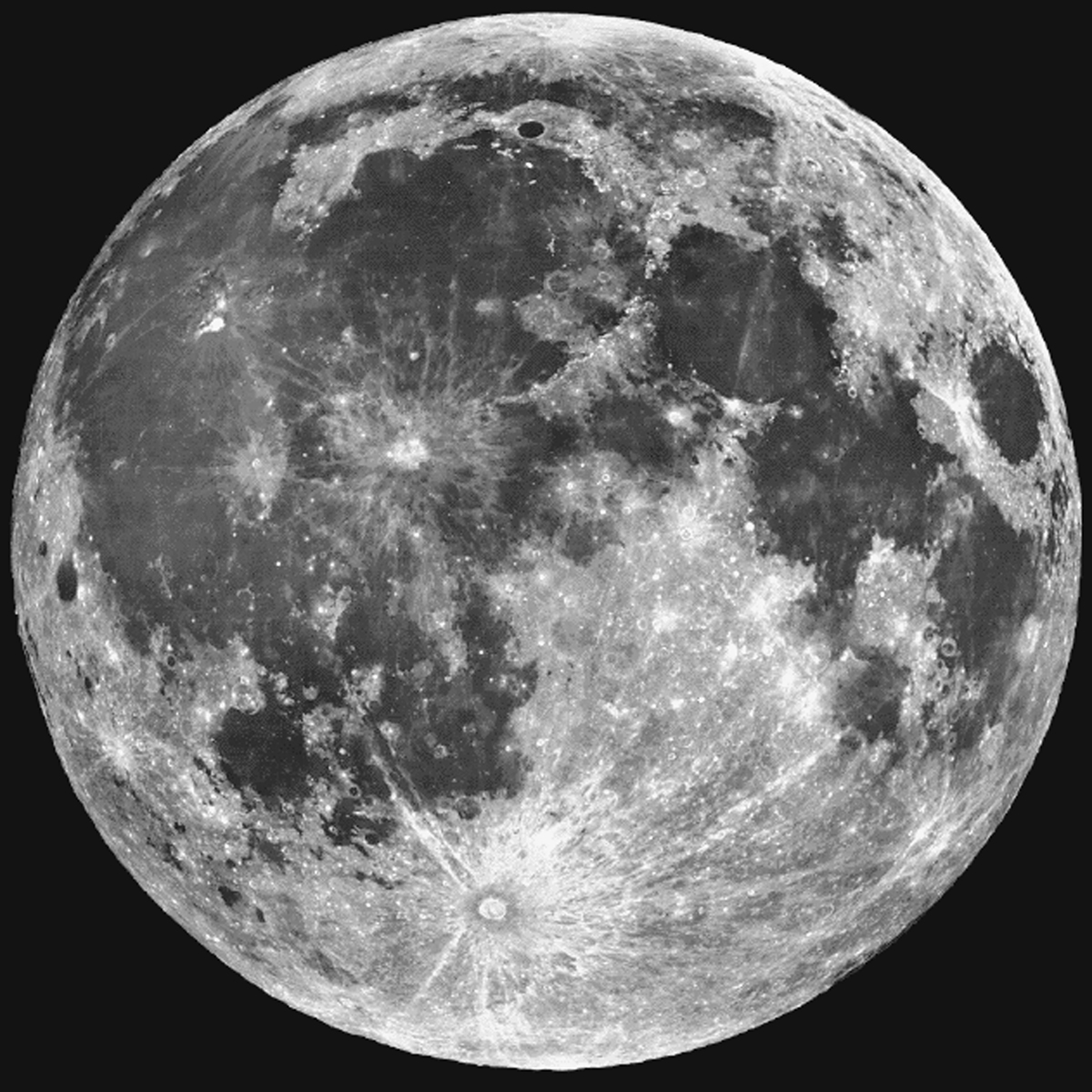
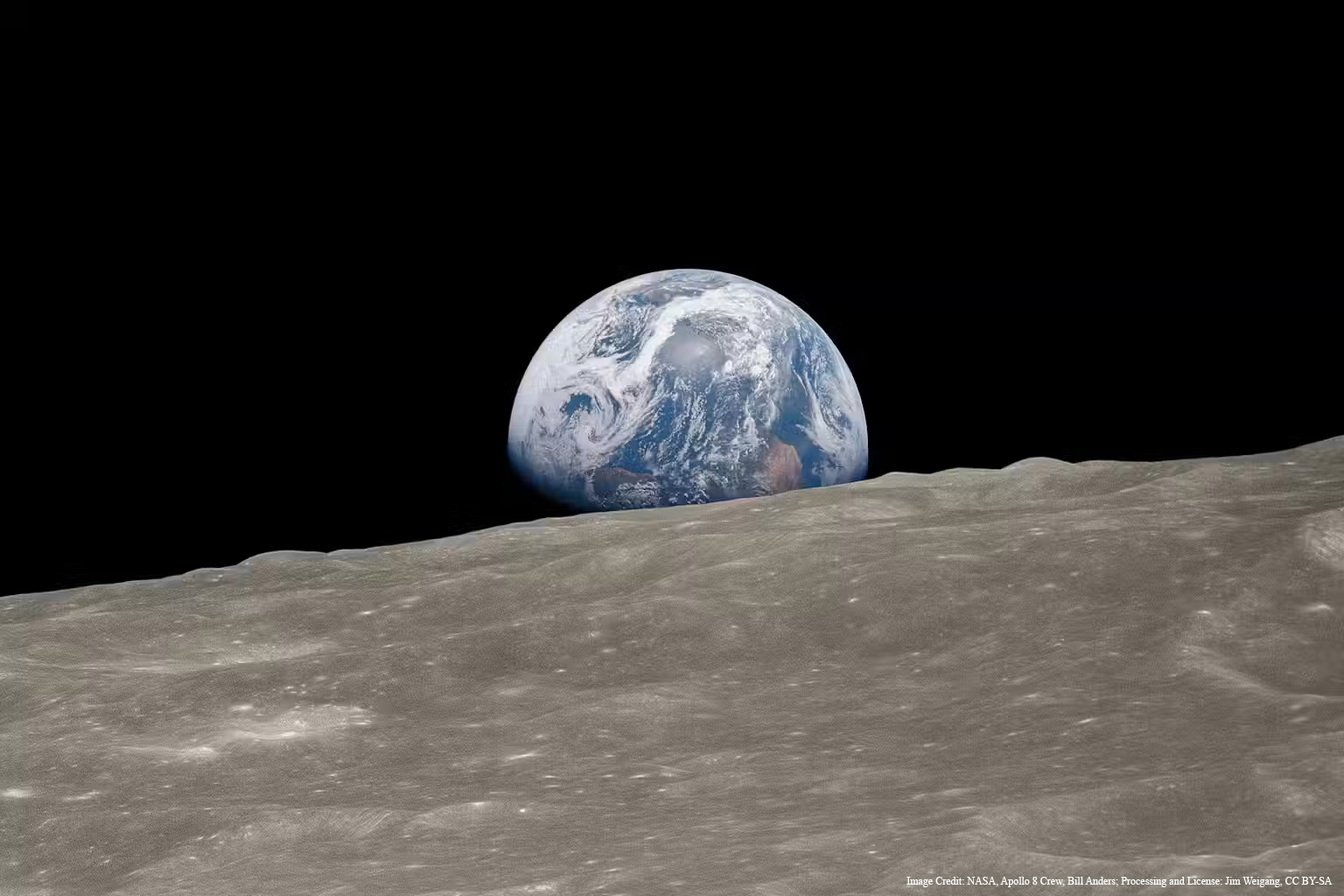
Our nomination of the Lunar landing site to the World Monuments Watch is the result of over two decades of intellectual and research work by our committee members, and a concerted effort in awareness-raising since the committee’s formation in 2023. Drawing on the extraordinary historical milestone of the Moon landing – a moment that captured all of humanity’s attention – the nomination highlights a rich heritage of technological ingenuity, determination, and the spirit of exploration.
It is a unique cultural landscape that deserves protection for the benefit of future generations. Our nomination also speaks to broader heritage questions surrounding material culture in orbit, in transit, and on the Moon, Venus, Mars, and other celestial bodies, as well as its connectivity to integral Earth-based locations.
It is clear to us that this nomination will help initiate a wider global debate – one that will hopefully lead to a shared understanding that the exploration of extraterrestrial space should benefit all of humankind.
ABOUT ISCAH
The ICOMOS International Scientific Committee on AeroSpace Heritage (ISCAH) is a diverse group of heritage specialists with a shared interest in aeronautics and space exploration. Our members work across fields including archaeology, preservation, Antarctic heritage governance, engineering, history, geography, architectural history, and geospatial analysis. Membership is global, with an ongoing commitment to diversity and representation.
↓ Download Bylaws (PDF)EVENTS & MEETINGS
Upcoming Events
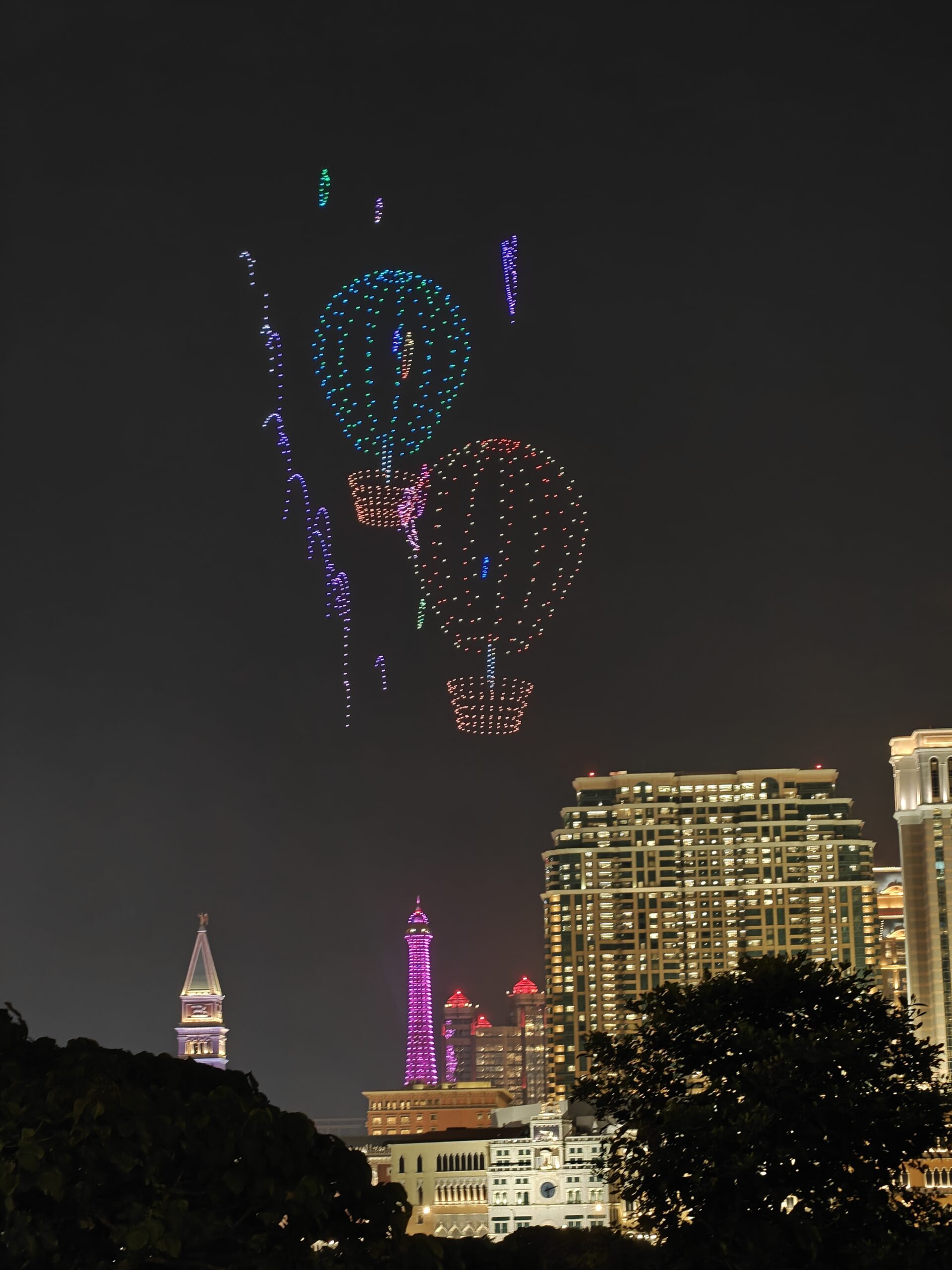
The ICOMOS International Scientific Committee on
AeroSpace Heritage presents its third annual conference,
hosted by the Macao University of Tourism (UTM).
The conference celebrates the Committee’s recent
achievements, including permanent observer status with
the United Nations Committee on the Peaceful Uses of
Outer Space (COPUOS), while advancing international
discussion on the identification, protection and
management of humanity’s aeronautical and astronautical
heritage.
The three-day hybrid programme is time-staggered
to support global participation: Asia on 14 October,
the Americas on 15 October and Europe on 16 October.
It features main presentations
and concise case-study presentations.
Site visits take place before, during and after
the conference. Proceedings will be published as a
standalone open-access collection.
Past Events
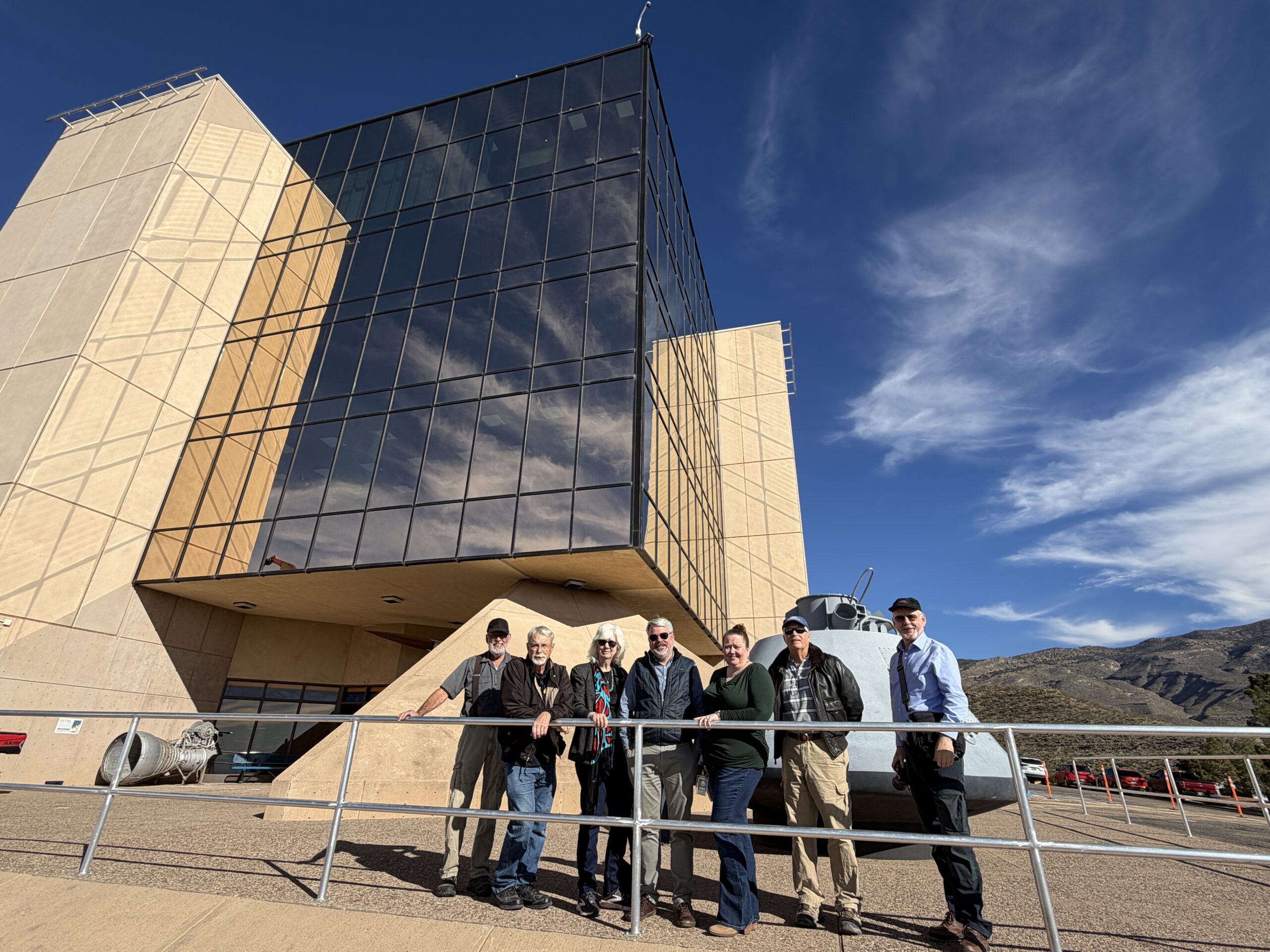
The ICOMOS International Scientific Committee on Aerospace Heritage (ISCoAH) held its “Next Steps 2025” conference from 17 to 21 November 2025 at New Mexico State University (NMSU), USA, with hybrid participation across Asia, Australasia, the Americas, and Europe. The programme featured three main conference days (17–19 November), structured by global regions, and included keynote lectures, thematic sessions, and strategic discussions on the future of aerospace heritage. Topics addressed included planetary geoarchaeology, orbital and lunar heritage, Antarctic and aerospace sites, and cultural narratives in space exploration. The programme combined academic sessions, institutional updates, and strategic planning discussions, reinforcing ISCoAH’s role in advancing the recognition and preservation of aerospace heritage worldwide.
↓ Download Programme (PDF)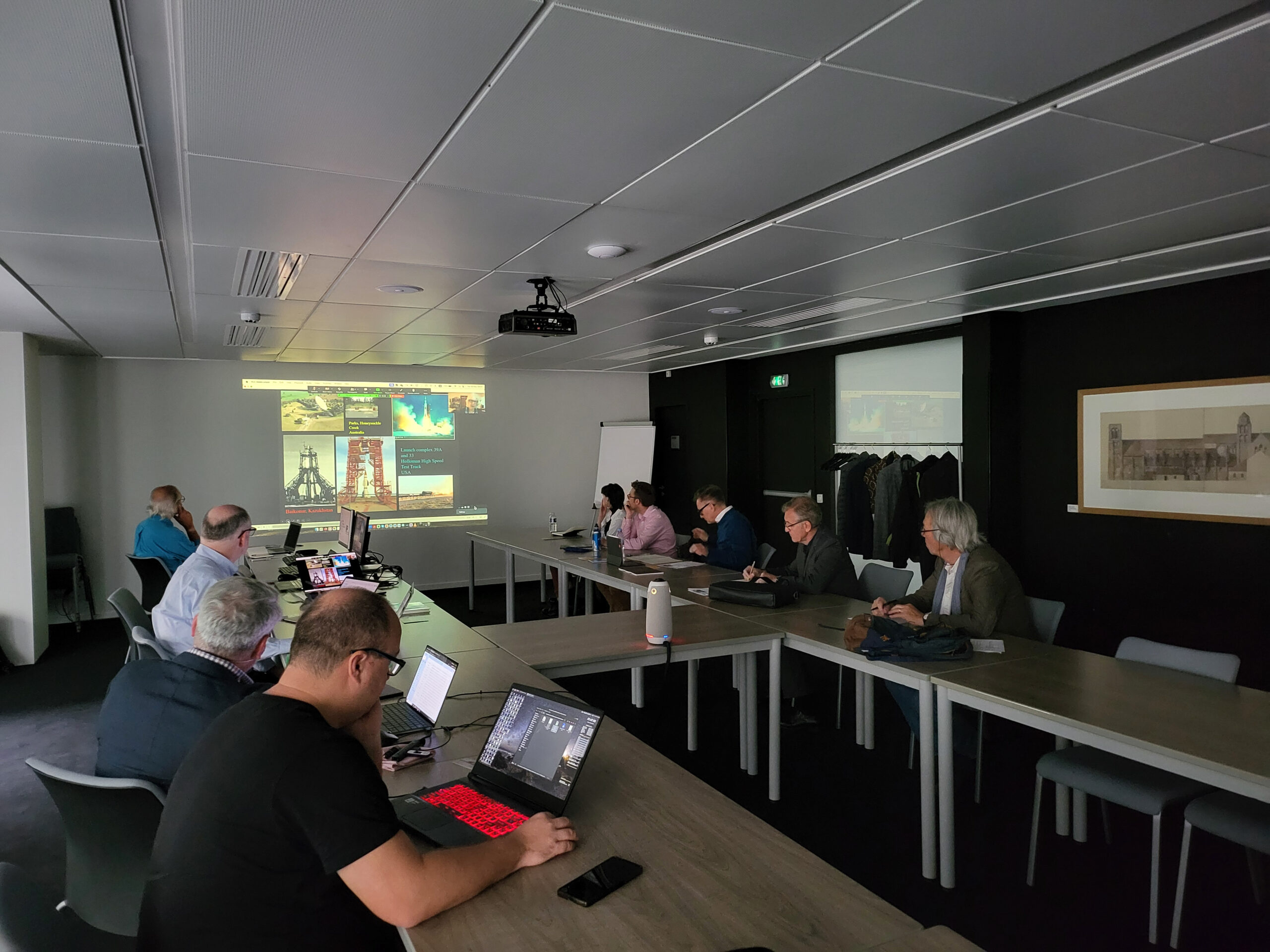
The ICOMOS International Scientific Committee on Aerospace Heritage successfully held its inaugural conference in Paris, France, from 26 to 31 May 2024, including an open conference on 28–29 May 2024. Titled “Le plus beau rêve / The Most Beautiful Dream”, the conference took place at ICOMOS headquarters and at La Médiathèque du patrimoine et de la photographie (MPP), and was also accessible online, bringing together an international community of scholars, practitioners, and experts in aerospace heritage. Inaugural Conference on Aerospace Heritage / Conférence inaugurale sur le patrimoine aérospatial explored the history, significance, and future of aerospace heritage within a global and interdisciplinary framework. Inspired by pioneers such as Lillian Bland, the first woman to design, build, and fly an aircraft, the conference reflected on humanity’s long-standing fascination with flight and space, and its material and intangible legacies. The programme reflects the diversity of contributions and perspectives presented during the event. The programme included open sessions and members-only field trips.
↓ Download Programme (PDF)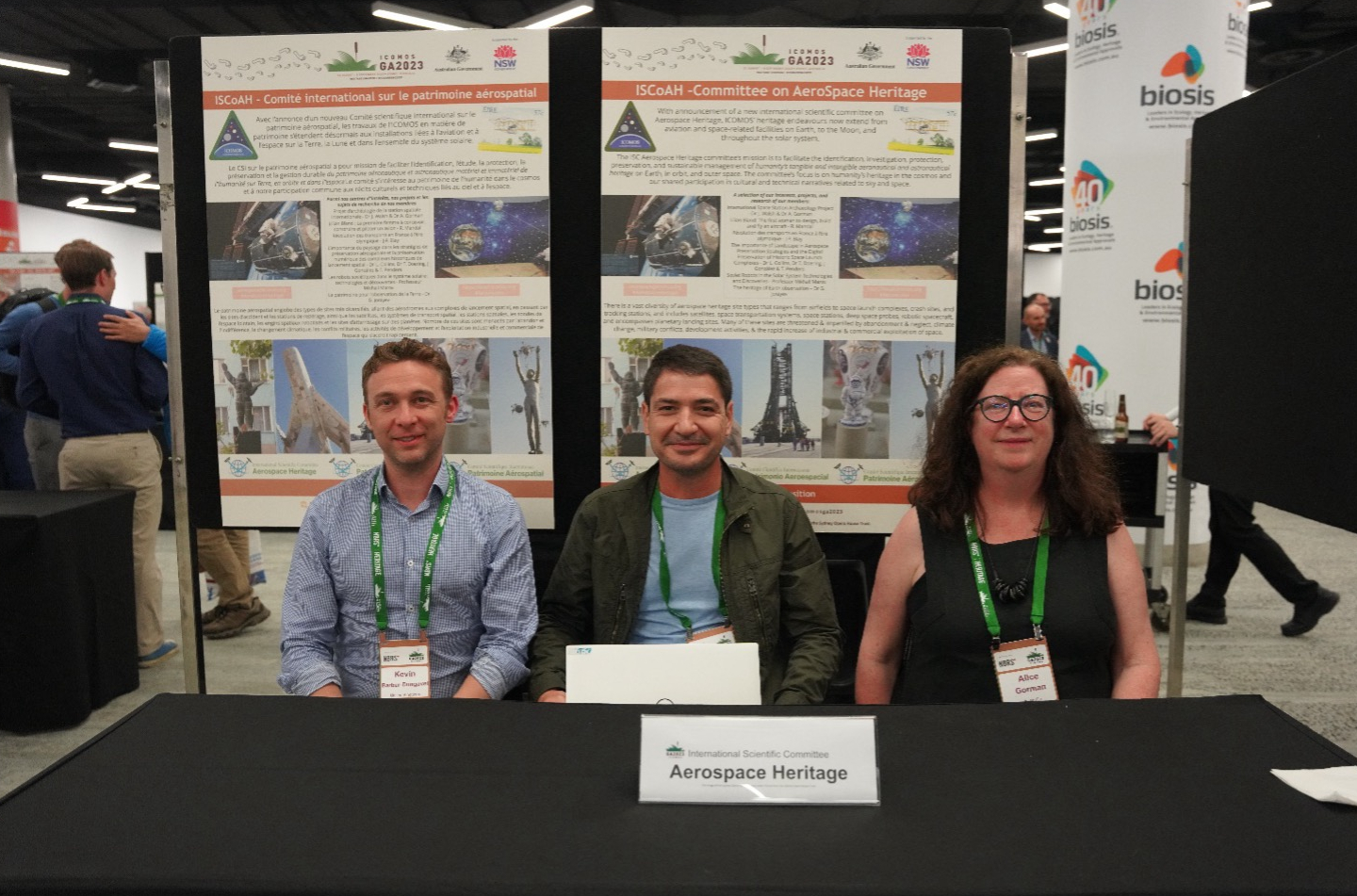
The International Scientific Committee on Aerospace Heritage (ISCoAH) actively participated in the 21st ICOMOS General Assembly (GA2023), held in Sydney, Australia. The Assembly brought together a global community of heritage professionals and researchers, with over 1,800 participants, extensive scientific sessions, and a wide range of side events and activities. ISCoAH contributed to the Scientific Symposium through a dedicated session, including papers and a panel discussion on aerospace heritage. The Committee’s work was highlighted on several occasions during the Assembly, providing an opportunity to present its mission, emerging research agenda, and growing international relevance. A key contribution included a presentation by Alice Gorman, alongside a panel discussion led with Tracy Ireland, focusing on the conceptual and practical dimensions of aerospace heritage within the broader heritage field. Gai Jorayev presented both at the Assembly and the Scientific Symposium, highlighting the importance of the Committee’s work. In addition, the Committee presented a poster in a dedicated exhibition space, engaging with participants over several days and establishing connections with potential new members and collaborators. Participation in GA2023 provided an important platform for ISCoAH to strengthen its international profile, expand its network, and contribute to ongoing discussions on heritage in a rapidly changing technological and cultural landscape. The event marked a significant step in consolidating aerospace heritage within the global ICOMOS framework.
↓ Download Poster (PDF)MEMBERS DIRECTORY
Committee Leadership

Abeer S. Bin Farhan Al Saud
Alice Gorman
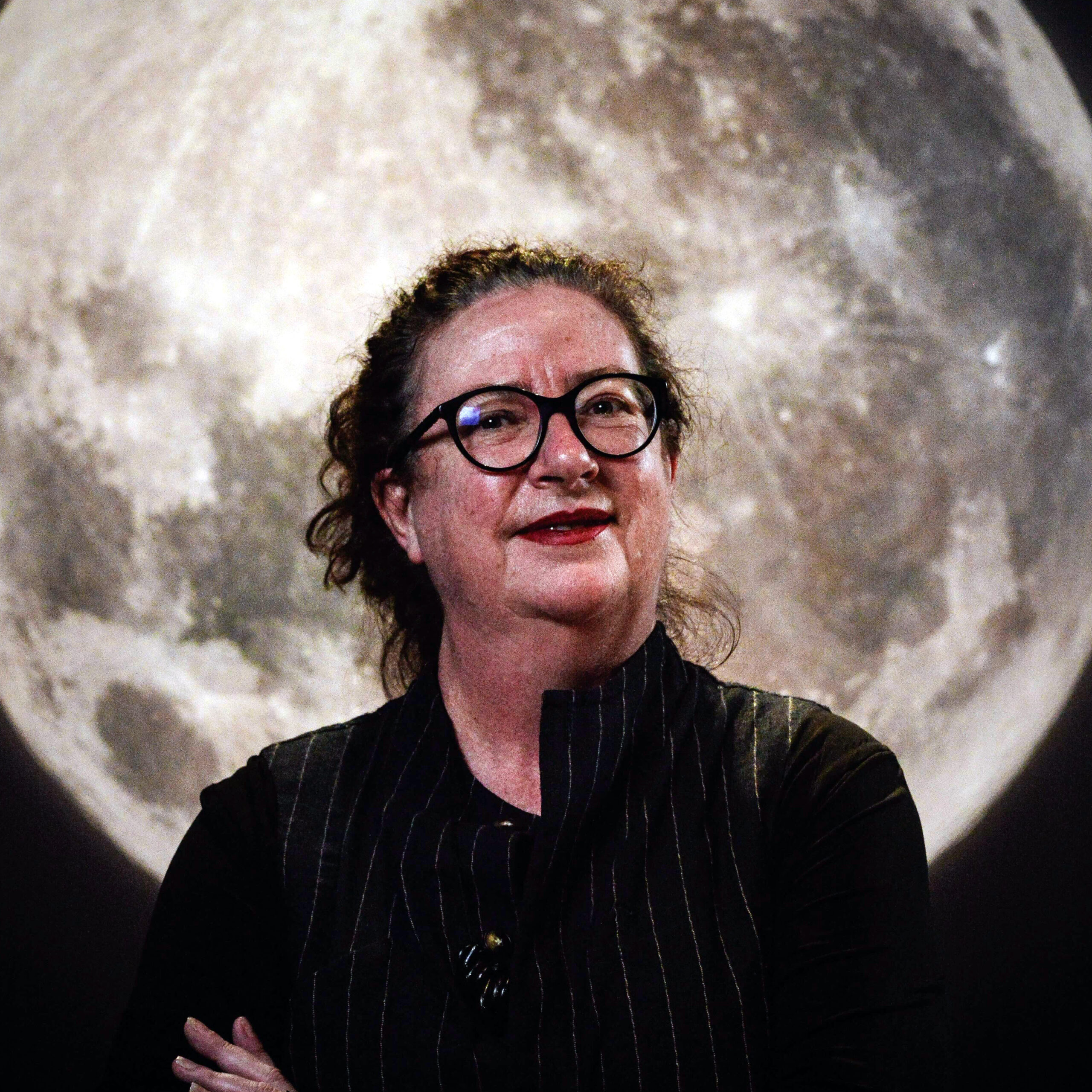
Alice Gorman is an internationally recognised leader in the field of space archaeology and author of the award-winning book Dr Space Junk vs the Universe: Archaeology and the Future (MIT Press, 2019). Her research focuses on the archaeology and heritage of space exploration, including space junk, planetary landing sites, off-earth mining, and space habitats. She is an Associate Professor at Flinders University and a heritage consultant with over 30 years’ experience working with Indigenous communities in Australia. Gorman is also a Vice-Chair of the Global Expert Group on Sustainable Lunar Activities, a Senior Fellow of the American Institute of Aeronautics and Astronautics, and an expert member of the ICOMOS International Scientific Committee for Aerospace Heritage. In 2024, she was selected as one of the Explorer’s Club 50: ‘50 people changing the world that the world needs to know about’. She is a regular contributor to national and international space policy, particularly focusing on issues of equity, social justice and rights of nature. She is a former mentor in the UN Office of Outer Space Affairs Space4Women programme. She was part of a collective that drafted the first Declaration of the Rights of the Moon and she also contributed to the Vancouver Recommendations on Space Mining. Asteroid 551014 Gorman is named after her in recognition of her work in establishing space archaeology.

Amanda Erickson Harvey
Amanda is the Program Coordinator for the Visitor Centre at NASA Goddard Space Flight Center, where she designs and delivers public programming on NASA missions, space science, and aeronautical engineering. Her background spans archaeology, cultural resource management, and museums. She holds an MA in Public Archaeology from University College London.
Beth O’Leary
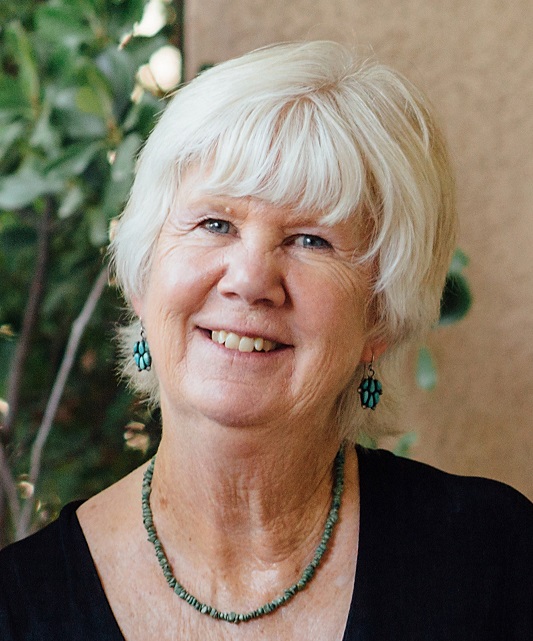
Professor Emerita of Anthropology at New Mexico State University, Beth pioneered the field of Space Archaeology and Heritage, focusing on the preservation of cultural resources on the Moon. She investigated the archaeological assemblage at the Apollo 11 Tranquility Base site and led efforts to nominate its artefacts to the California and New Mexico Registers of Cultural Properties. She co-produced NASA’s Recommendations to Space-Faring Entities (2011) and has published widely on space heritage since 2009.

Bryan Lintott
A polar historian, Bryan’s engagement with heritage spans academic research and advocacy. His research has included the conservation of Scott’s and Shackleton’s Antarctic huts and associated international relations, and the history of Antarctic airborne glaciological radar. He has served as President of ICOMOS Aotearoa New Zealand and Secretary-General of ICOMOS Polar Heritage, and led the ICOMOS working group on Aerospace Heritage in 2022. He is an Institute Associate of the Scott Polar Research Institute, University of Cambridge, and has been an Associate Professor at UIT – the Arctic University of Norway.
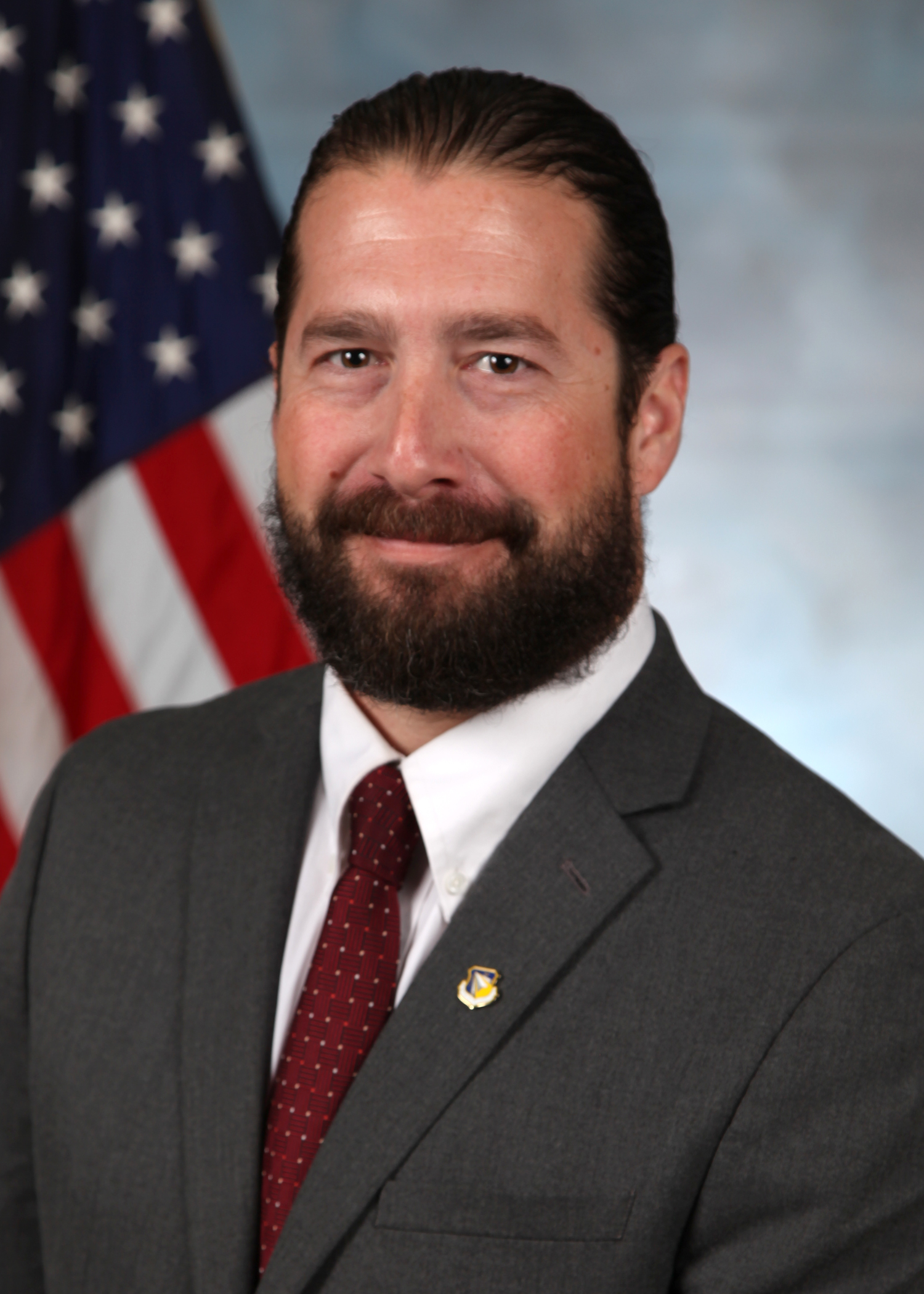
Darren A. Raspa
Dr. Darren A. Raspa is the Chief Historian for the Air Force Research Laboratory’s space and directed energy technology groups in New Mexico and is an analyst for the Office of the Deputy Technology Executive Officer for Space Science and Technology for the US Space Force. He has held roles as the coordinator for AFRL’s Science, Technology, Engineering, Art, and Mathematics (STEAM) education and outreach programs for area schools and museums and has produced several studies pertaining to the history of space and directed energy technology.
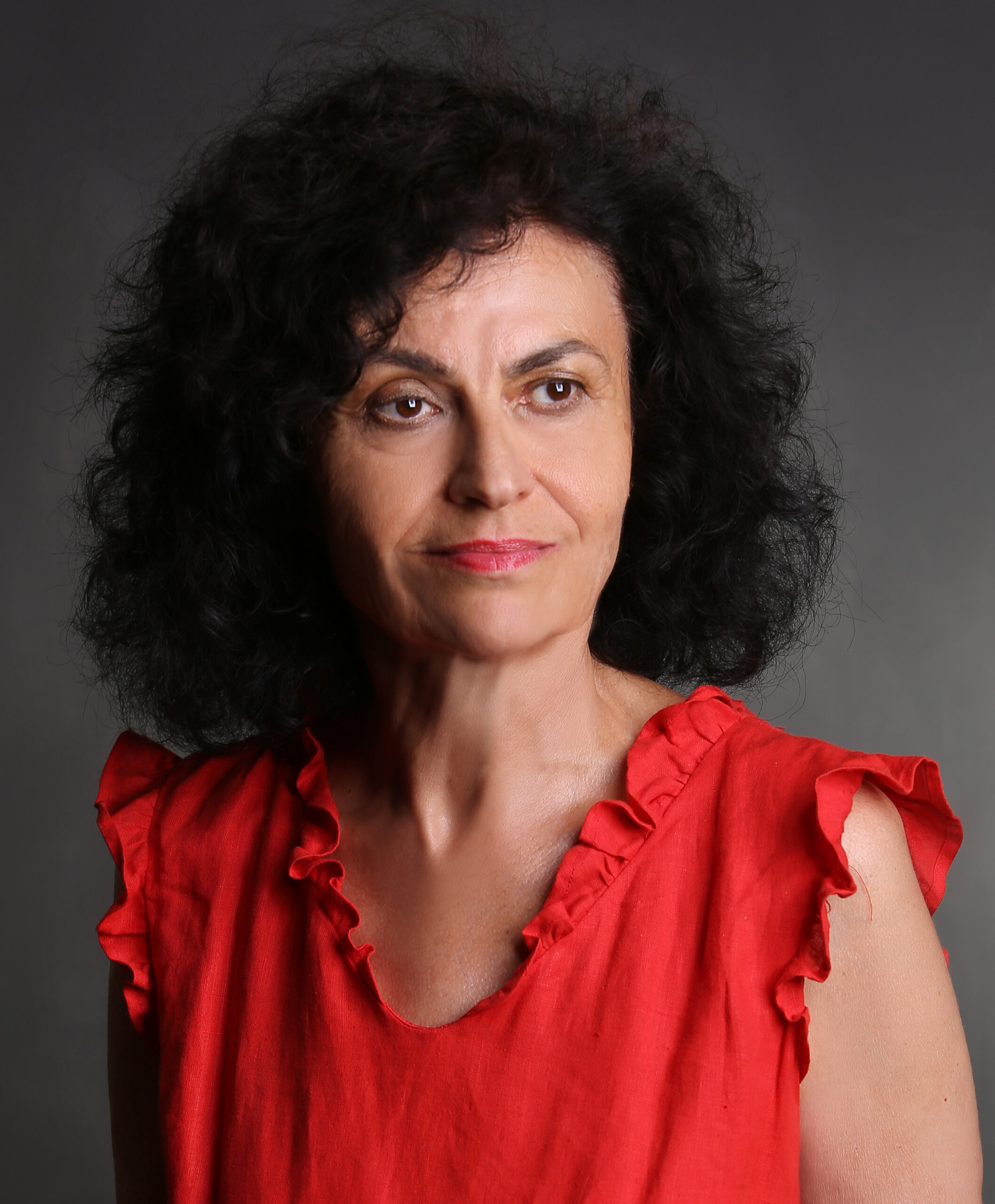
Dragana Ruzic
Dragana Ruzic is an Art Historian, Heritage Curator and Senior Research Associate, specializing in the history of art and industrial heritage. She is recognized as an expert in French–Serbian historical relations in aviation history and in the protection of airports. She is the author of two books on Pančevo airport, covering its development and the activities of the French-Romanian company (CIDNA). She conducted research at the National Institute for Art History (INHA) in Paris on French-Serbian relations in aviation and airport heritage, participated in international programs in France, Belgium, and the UK, and presented her work at international conferences.
Georgios Dimitriadis
Georgios Dimitriadis is a historian and archaeologist specializing in Cognitive Archaeology, with extensive experience in both academic research and the commercial rescue archaeology sector. He maintains academic and research affiliations with several European institutions, including the Geosciences Centre (CGeo) and the Institute of Earth Sciences (ITM) at the University of Coimbra (Portugal), as well as the Department of Geology at the University of Trás-os-Montes and Alto Douro (Portugal). He also collaborates with Brazilian universities and research centres, notably the Institute of Geosciences (IGc/GeoHereditas) at the University of São Paulo (USP) and the Centre for Geosciences and Geopoetics (Nu2Geo) at the Federal University of the State of Rio de Janeiro (UNIRIO). He is a member of the Greek and Portuguese National Committees of ICOMOS and actively contributes to several international scientific bodies, including the International Scientific Committee on Archaeological Heritage Management (ISC CAR/ICOMOS), the Scientific Committee on Sustainable Development Goals and World Heritage (ISC SDWG-TT4 WH/ICOMOS), and the European Society for Astronomy in Culture (SEAC). His work focuses on the intersection of archaeology and culture astronomy, cognition, cultural heritage, and landscape studies, combining theoretical research with applied heritage management practices.
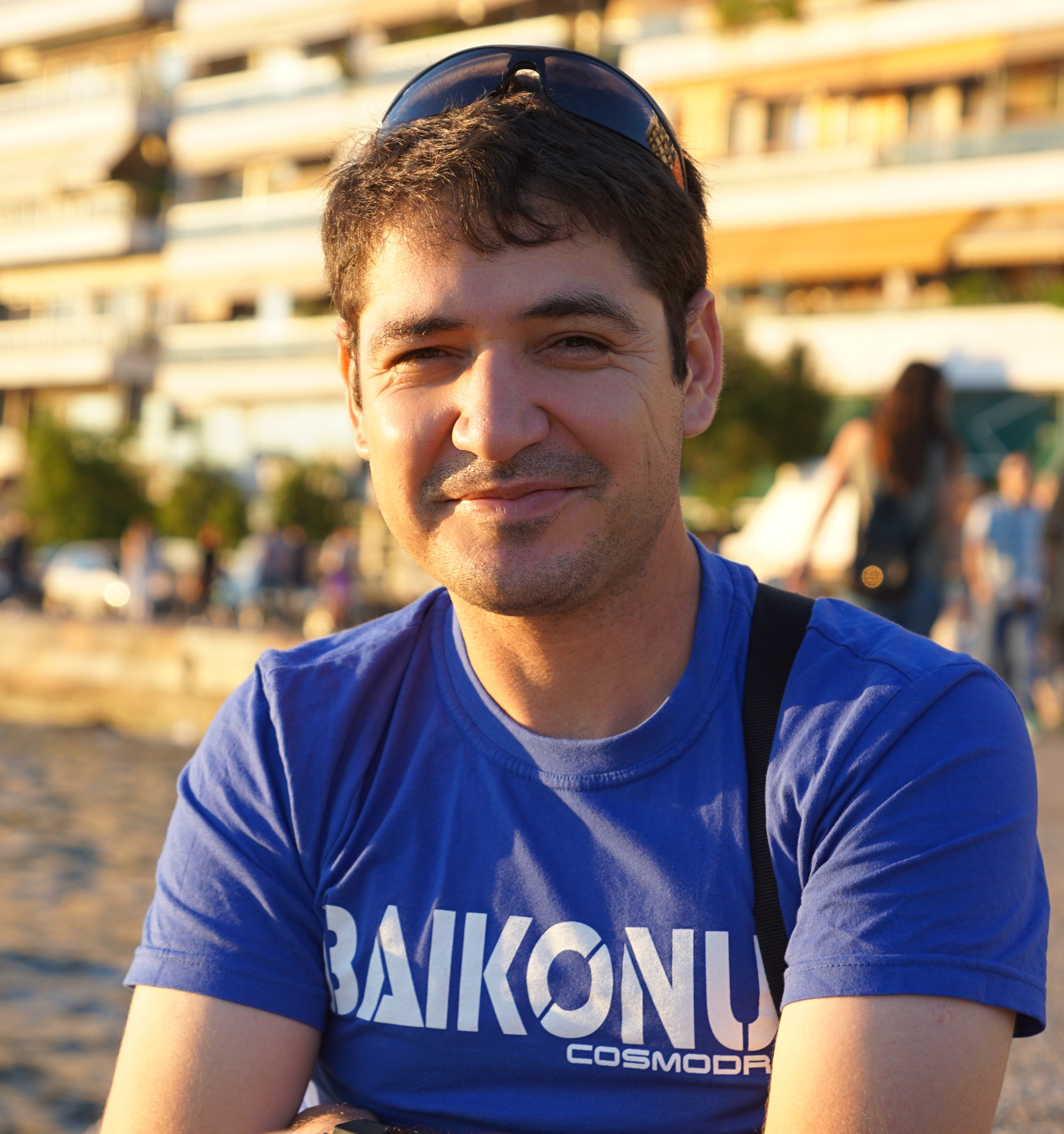
Gai Jorayev
Gai (Gaygysyz) Jorayev is a university researcher working at the intersection of heritage documentation, interpretation, management, and digital technologies. His research encompasses the history and heritage of space exploration and Earth observation, as well as industrial heritage, rural and cultural landscapes, and intangible heritage. He brings a broad perspective to ongoing debates on decolonisation, ethics in heritage and archaeology, and heritage-based development and cultural tourism.

Hee Sook Lee Niinoja
Dr Hee Sook LEE-NIINIOJA is a scholar (medievalist-semiotician)/journalist/artist/designer. As an international pioneer student in Scandinavia (1970s), she received education in journalism (BA/South Korea), art & design (BA & MA/Norway), visual communication (MA/USA), architecture (PhD/UK), theology, literature, etc. Besides her exhibitions of “Goethe in Me” and academic research, she published journalistic articles and books on Hindu-Buddhist/Christian/Islamic architecture, cultural heritage, semiotic text-images, enhancing dialogues between religions through commonality with celestial-earthly facts across time and space. She did voluntary humanitarian work while teaching at institutions worldwide. She received appreciation, including the Order of Civil Merit Medal from the President of South Korea.
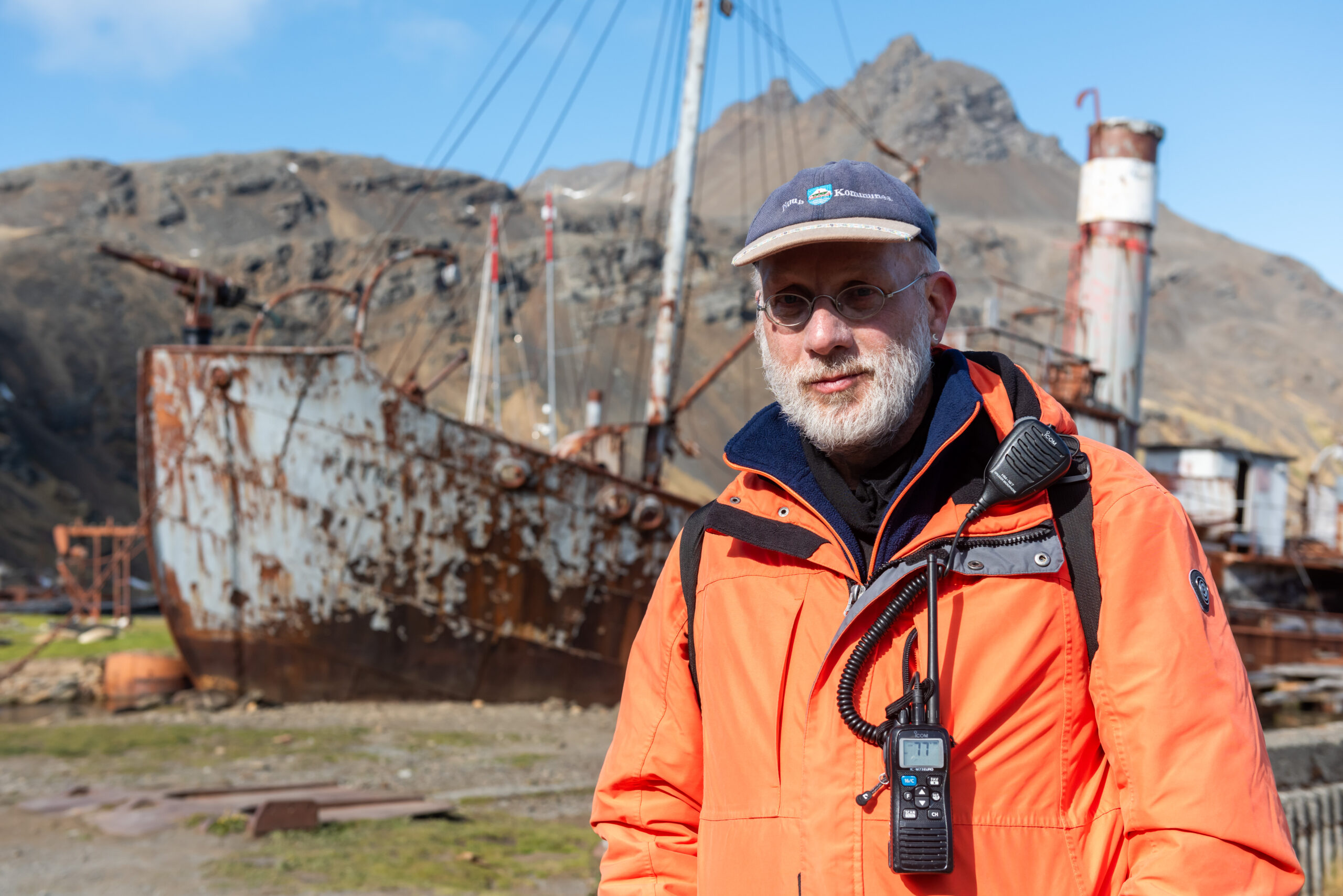
Ingo Heidbrink
Ingo studied Social and Economic History at the University of Hamburg in his native Germany. After a short stint as a professional mariner and a successful museum career in Germany, he accepted a professorship in the field of maritime history at Old Dominion University and became a specialist for the history of the High Seas and Antarctica. Today he is Professor of Maritime History and Chair of the Department of History at Old Dominion University. His research focuses on historic monuments and sites outside national jurisdiction like the High Seas, Antarctica and Outer Space. He is President of the International Maritime History Association (IMHA) and Secretary of the International Polar Heritage Committee (IPHC). He has travelled to Antarctica regularly for more than 15 years and has sailed nearly all oceans of the globe. His interest in Outer Space focuses mainly on the parallels between the historic exploration of the oceans and polar regions and the exploration of Outer Space, as well as the respective development of regulatory systems for these ultimate frontiers. In addition, he is a specialist in the protection of monuments and sites in inaccessible regions such as the deep sea, Antarctica and Outer Space.
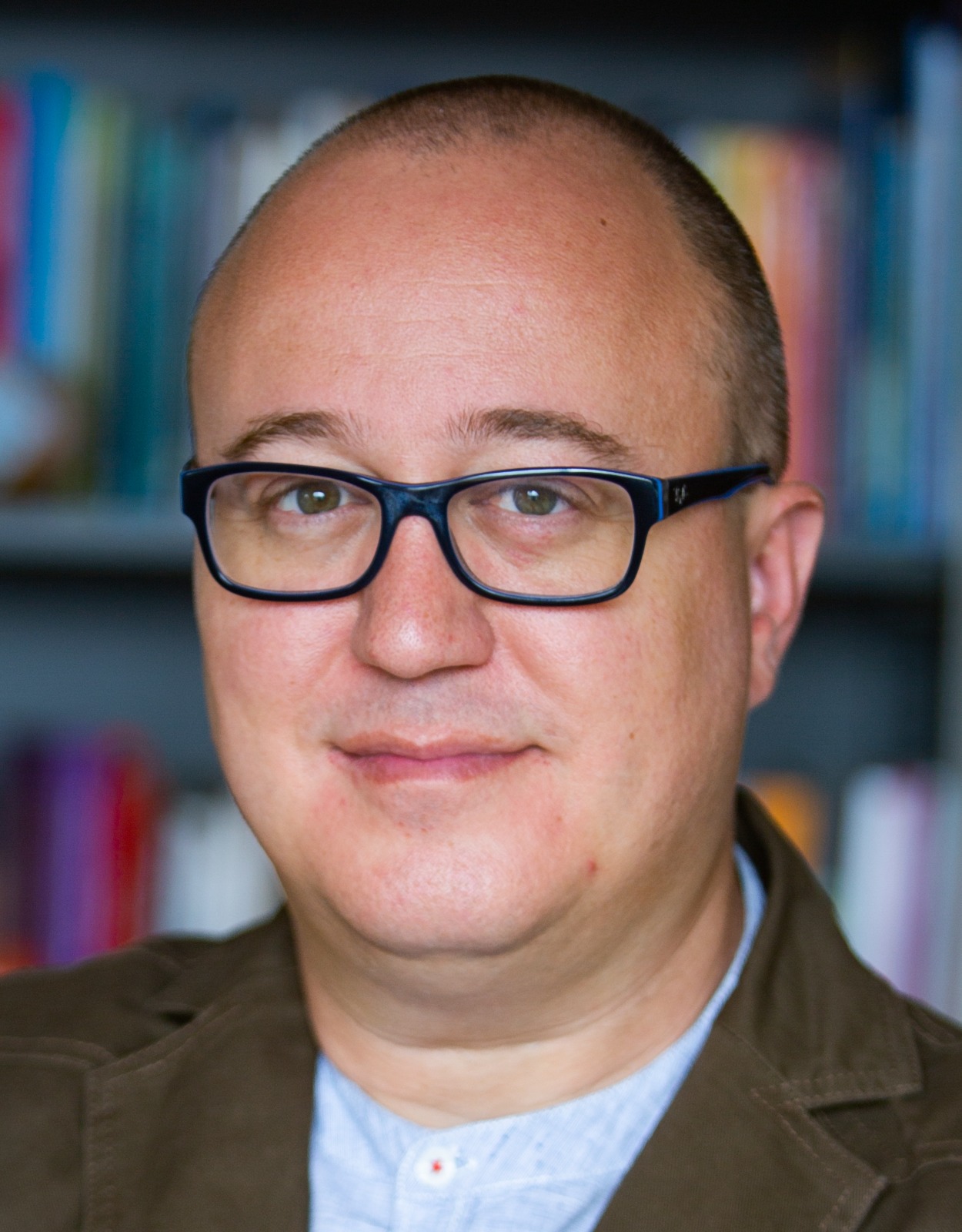
Javier Mejuto
Professor and Dean of the Faculty of Space Sciences at the National Autonomous University of Honduras, he also serves as Adjunct Professor at the University of Southern Queensland (Australia). He is also President of the ICOMOS Honduran National Chapter. His work sits at the intersection of Astronomy, Heritage, and Society: he leads Honduras’ National Astronomy Commission within the International Astronomical Union (IAU) and contributes as Advisor to Commission C5 on Cultural Astronomy, while also being a Fellow of the Royal Astronomical Society. Through his research, he explores the astronomical and space heritage of Central America – particularly ethnoastronomy and archaeoastronomy – while advancing critical perspectives on the social dimensions of access to space for underrepresented communities.
Jean-Pierre Blay
Doctor of History and expert in urban geography. He specializes in the historical development of aviation clusters and the impact of aerospace infrastructure on cultural and social identity.
Jeeyeon Bae
Specialist in international cultural policy and the protection of technological heritage. Her work focuses on the intersection of modern history, architectural conservation, and the governance of global scientific sites.
Jorge González García
Jörg Haspel
Professor and former Director of the Berlin State Monument Authority. He is a leading expert in industrial monuments and urban heritage, with extensive work on the preservation of Cold War aerospace facilities in Berlin.

Justin A. Holcomb
Assistant Research Professor at the Kansas Geological Survey, University of Kansas. An anthropological archaeologist and geoarchaeologist, Justin specialises in human dispersal into new regions and landscapes – from the movement of Neanderthals into the Greek Islands to the initial peopling of the Americas and, now, the dispersal of humans across the solar system. He developed the emerging subfield of Planetary Geoarchaeology and coined the term “Lunar Anthropocene” to highlight humanity’s material impact on the lunar surface.
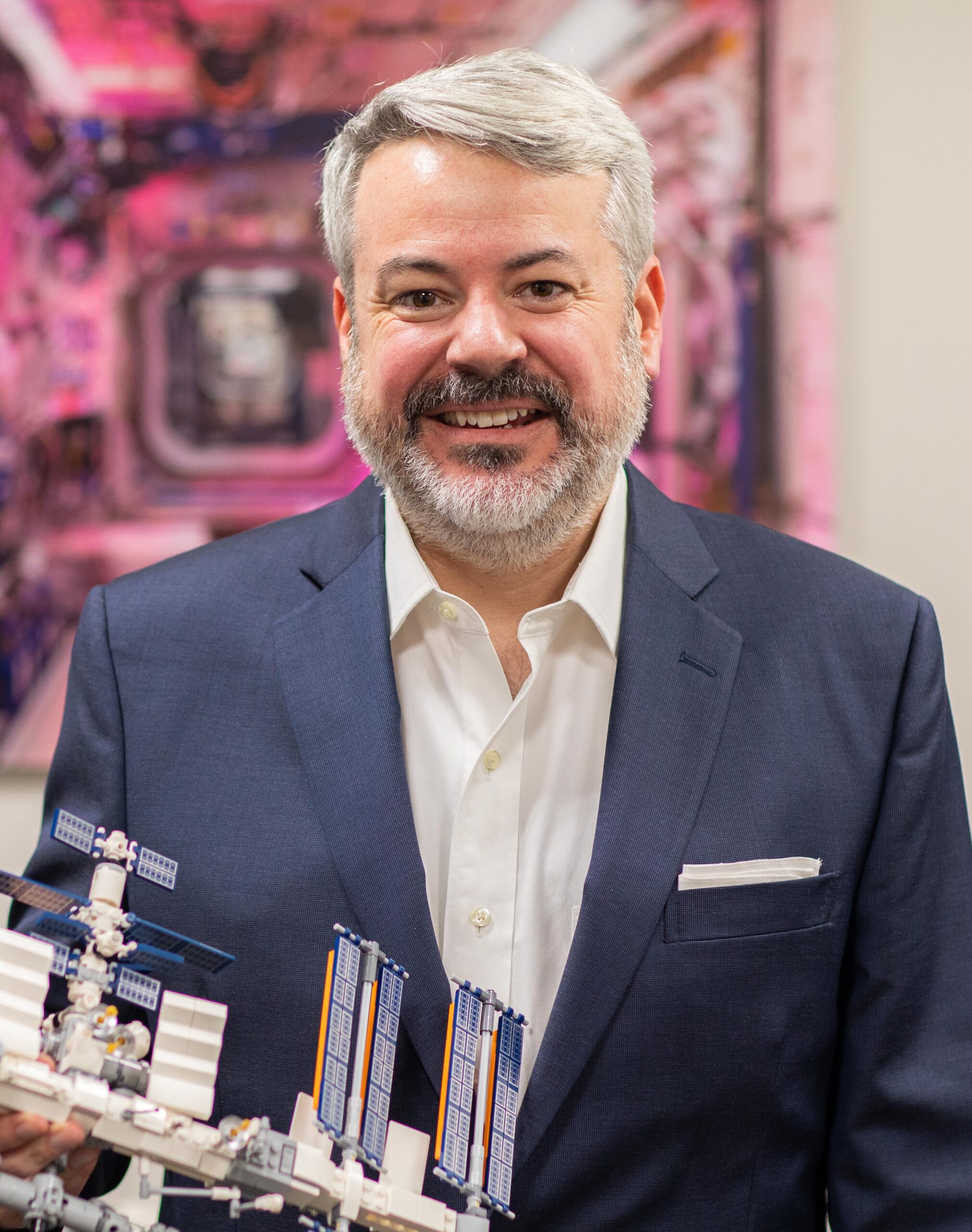
Justin Walsh
Professor of Art History and Archaeology at Chapman University. He is the co-director of the International Space Station Archaeological Project (ISSAP), the first large-scale archaeological study of a human habitat in space.
Kengo Hayashi
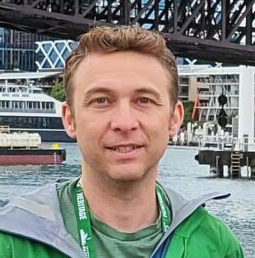
Kevin Barber-Dungavel
Heritage specialist and Emerging Professional Coordinator, focused on the management of scientific and technological heritage sites and the training of the next generation of conservation specialists.
Lei Luo
Leo Schmidt
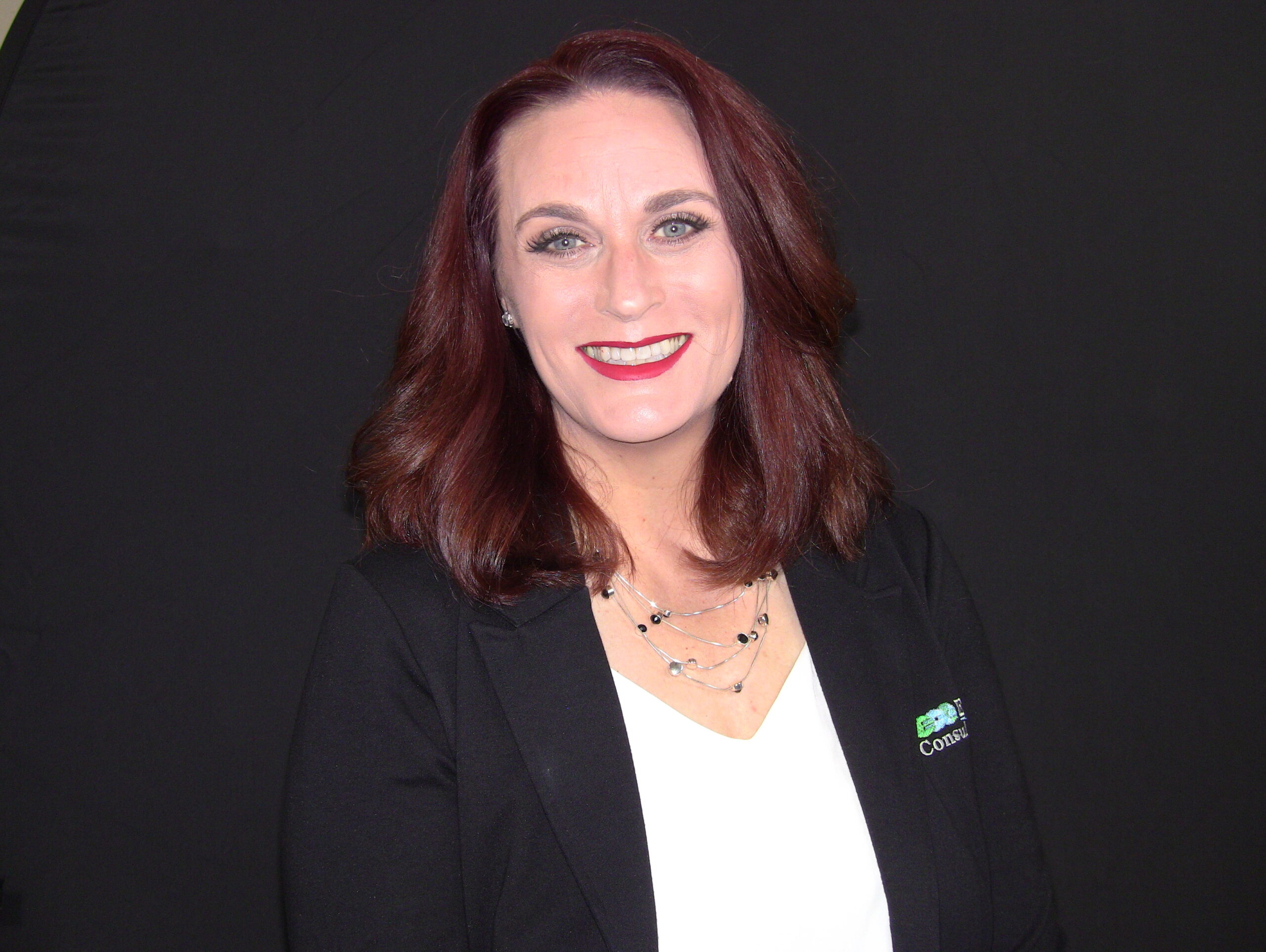
Lisa Westwood
Lisa Westwood is a Registered Professional Archaeologist with more than three decades of professional experience, meeting the Secretary of the Interior’s Professional Qualifications Standards for prehistoric and historical archaeologist. She earned a B.A. in Anthropology from the University of Iowa and an M.A. in Anthropology (Archaeology) from Eastern New Mexico University. She is well-published in the field of space history, including An Introduction to Space Archaeology (2026, Wiley & Sons), The Final Mission: Preserving NASA’s Apollo Sites (2017, University Press of Florida), contributing author to Archaeology and Heritage of the Human Movement into Space (2014, Springer Press), and the author of several articles and book reviews in Space Times Magazine and Quest: the History of Spaceflight. She serves as Vice President and Director of Cultural Resources at ECORP Consulting, Inc., an environmental consulting firm headquartered in California and is a member of the faculty in the departments of Anthropology and Social Sciences at California State University-Chico, Butte College, and Coastline College.
Lori Collins
Research Associate Professor and Co-Director of the Center for Digital Heritage and Geospatial Information at USF. She utilizes 3D imaging and laser scanning to document and preserve historic aerospace sites and technological artefacts.
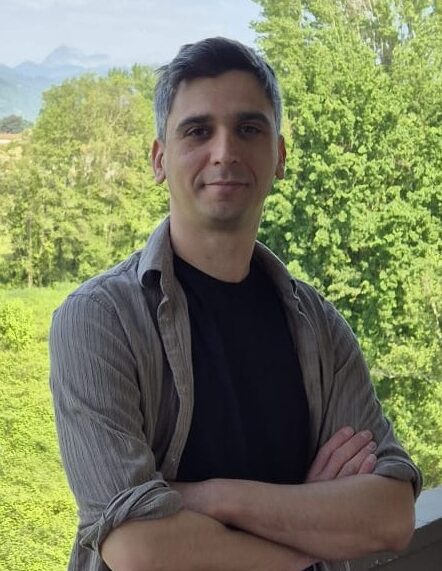
Luca Forassiepi
Luca Forassiepi is an independent researcher in space archaeology and the emerging field of planetary geoarchaeology, holding a Master’s degree in Historical Sciences from the University of Pisa. His work explores the material culture of space exploration, the archaeological signatures of human activity in space, and the site-formation processes that interact with them over time. He is particularly interested in how humanity’s off-world presence can be studied, preserved, and interpreted through archaeological methods.
Maire Mattinen
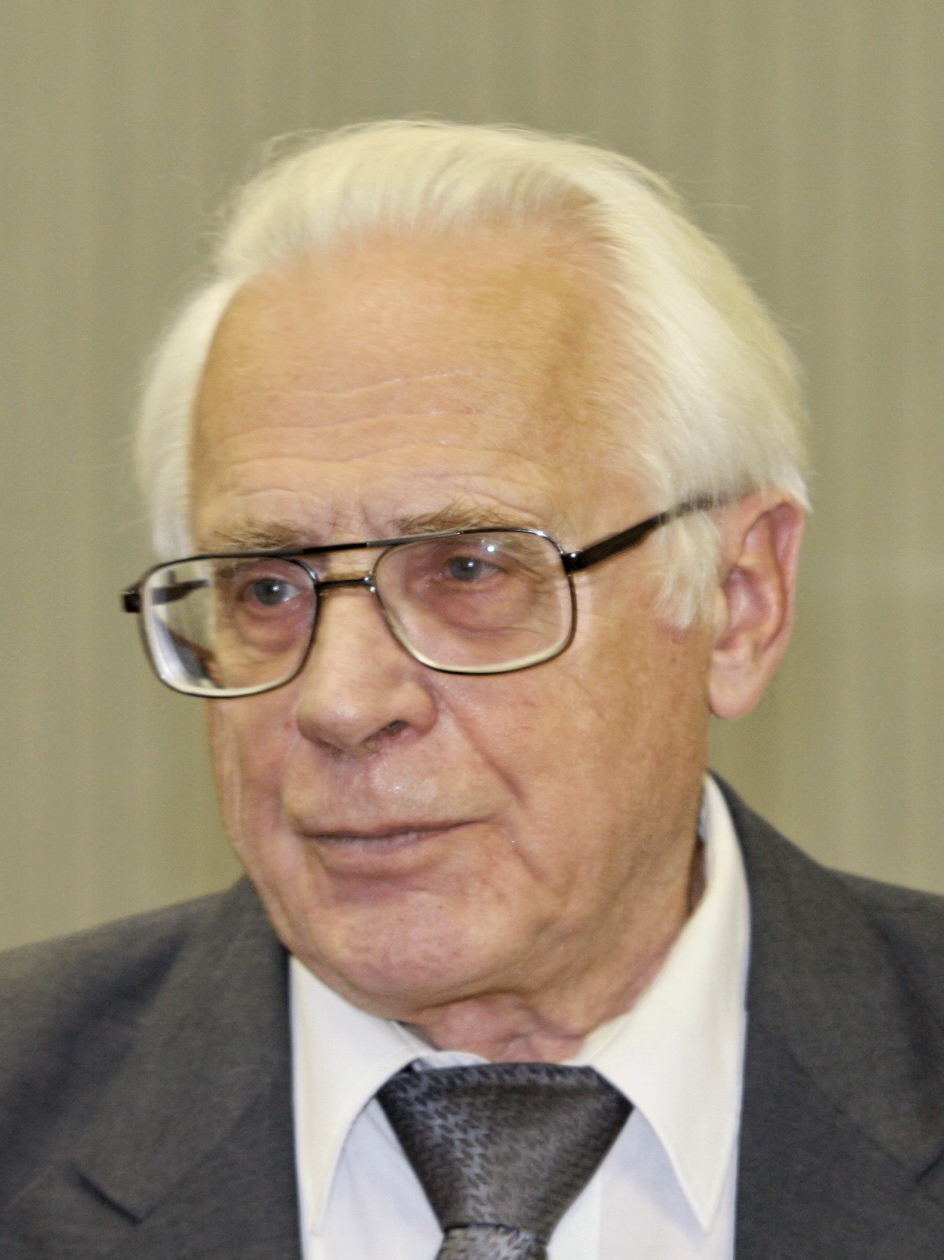
Mikhail Marov (1933–2023)
Professor Mikhail Marov (1933–2023) was a pioneering scientist whose early research in space mechanics made a lasting contribution to the development of planetary exploration. He was one of the leading figures in the Soviet lunar and Solar System programmes, gaining international recognition for his work on the Venera (Venus) and Mars missions. Throughout his career, he worked closely with key figures such as Sergei Korolev, as well as with many designers and engineers, contributing to some of the most significant achievements of the early space age. In later years, Professor Marov became a highly respected teacher, mentor, and public speaker, inspiring generations of scientists and scholars. He was also an important figure in the establishment of the ICOMOS Aerospace Heritage group and one of the first inaugural members of ICOMOS AeroSpace Heritage Committee. Professor Marov passed away in 2023, leaving behind a profound scientific and intellectual legacy.
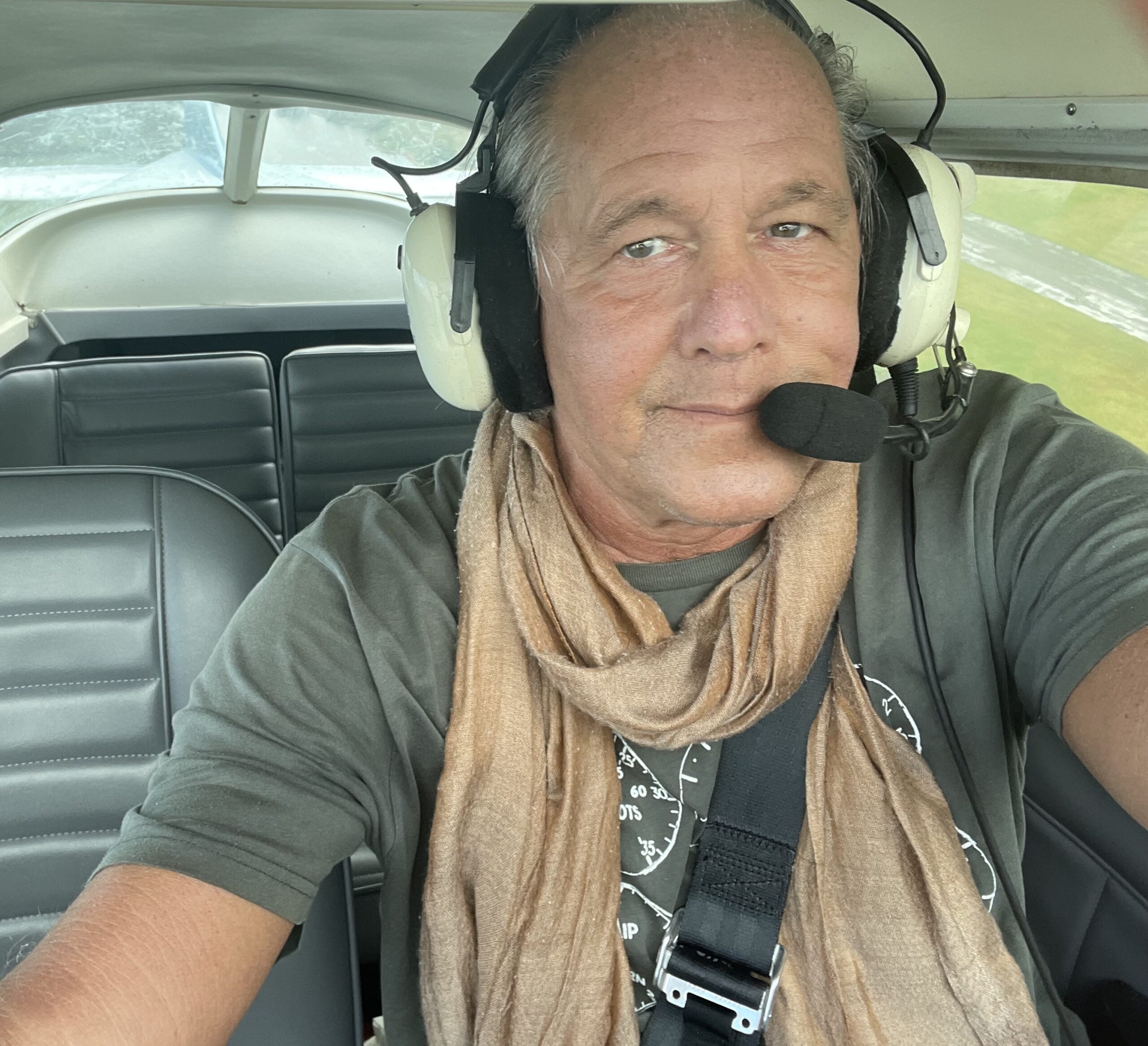
Robin Mandal
An architect and founding principal of RMA Architecture, Robin is a former President of the Royal Institute of the Architects of Ireland (RIAI) and a flight instructor of thirty years’ experience. His lifelong advocacy for conservation has produced initiatives including the RIAI Conservation Accreditation system, Irish Architects Declare, and the Dublin Democratic Planning Alliance. He serves on the boards of the Irish Architects Benevolent Society, the Alfred Beit Foundation, and An Taisce, and champions just transition, climate action, and the elimination of poverty.
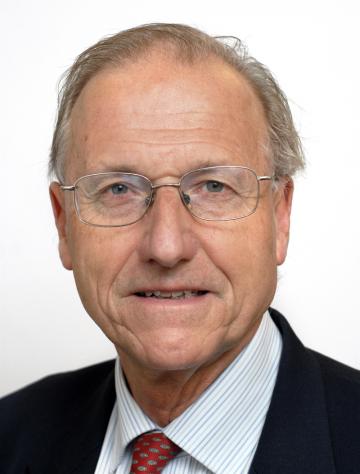
Tom Hassall
Tom Hassall has been an archaeological and heritage management consultant in private practice since 1999, specialising in urban regeneration projects. He was the Secretary and Chief Executive of the former Royal Commission on the Historical Monuments of England, 1986-1999; the founding director of Oxford Archaeology (then known as the Oxfordshire Archaeological Unit), 1973-1985. He was President of the International Council on Monuments and Sites-UK (ICOMOS-UK), 1998-2002 and Chairman of ICOMOS-UK’s World Heritage Committee 2002-2007. He now acts as an adviser to ICOMOS International. He has conducted Reactive Monitoring Missions on behalf of UNESCO and ICOMOS to a number of World Heritage Sites. He was President of The Council for British Archaeology, 1983-1986 and Chairman of the UK’s Advisory Committee on Historic Wreck Sites, 2002-2011. He was elected Fellow of St Cross College, Oxford, 1973 and an Emeritus Fellow, 1988. He is the author of official reports, excavation reports, articles and reviews, mainly in connection with the work of Oxford Archaeology and its predecessors, the RCHME and ICOMOS. He was appointed an Officer of the Order of the British Empire in 1999 in recognition of his services to the heritage.
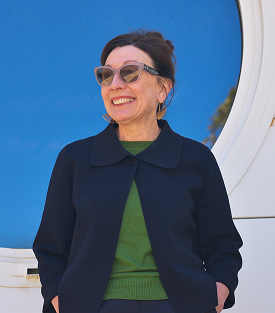
Tracy Ireland
Tracy Ireland is an archaeologist and heritage practitioner, Emeritus Professor of Cultural Heritage at the University of Canberra, with expertise in contemporary archaeological approaches to the relationship between technology and culture. Tracy is prominent in the Australian cultural sector and a respected heritage conservation expert and advocate, regularly asked to deliver international keynote addresses, to brief Ministers and politicians on heritage issues, and provide commentary on contemporary cultural issues. Her research in archaeology and heritage has had international impact and influenced public policy and practice in Australia and abroad, particularly in the areas of social value and ethics. She has led numerous Australian Research Council and other industry and government funded research projects, and published widely. She is particularly well known for leading multidisciplinary projects that bring community, professionals and academics together, such as the ‘Heritage of the Air’ and the ‘Connecting the Nation’ projects led in partnership with the aviation sector. Her recent work is particularly concerned with Indigenous and First Nations peoples’ lived experience of aviation and nuclear technology. Tracy is the immediate past President of Australia ICOMOS, Fellow of the Society of Antiquaries, London, Chair of the Asia Pacific ICOMOS University Forum, an Expert Member of the International Scientific Committee on Archaeological Heritage Management (ICAHM) and Editor of Australia’s leading heritage management journal Historic Environment.
Travis Doering
Co-Director of the Center for Digital Heritage and Geospatial Information. Specialist in archaeology and digital documentation, leading projects to preserve global heritage through advanced geospatial and 3D technologies.
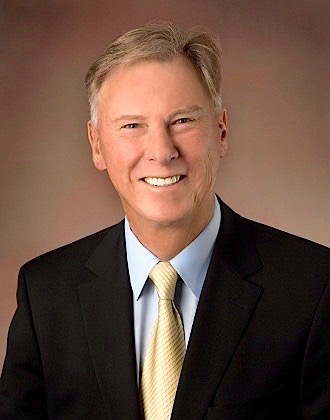
Wayne Donaldson
Mr. Donaldson is President of award-winning Architect Milford Wayne Donaldson, FAIA, Inc. since 1978, specializing in historic preservation services. He has a Bachelor of Architecture and a Bachelor of Arts in Engineering, California Polytechnic State University; Master of Science in Architecture, University of Strathclyde, Glasgow, Scotland; Master of Arts in Public History and Teaching from the University of San Diego. Post-graduate studies: University of Uppsala, Sweden. Mr. Donaldson served as the California State Historic Preservation Officer from 2004-2012. From 2010-2018, Mr. Donaldson served as Chair of the federal Advisory Council on Historic Preservation appointed by President Barack Obama and led the effort towards sustainability in historic resources of the federal government. In 1992, the American Institute of Architects inducted Mr. Donaldson into the College of Fellows. Mr. Donaldson is currently President of ICOMOS-USA. Donaldson built Icarus II and Easyrider (powered) hang gliders. Designed and built PNEU II, inflatable hang glider 1972-1993. Restored 1942 Army TG-4A glider and three Stinson aircraft. Co-author of The Final Mission, Preserving NASA’s Apollo Sites. Currently owns a 1948 Stinson Flying Station Wagon 108-3, and previously a 1934 Stinson Reliant SR-5E.
JOIN ISCAH
To express an interest in membership, please complete the application form and send an email to the Space ISC secretariat at aerospace@icomos.org
Complete the Application Form →